Nigeria’s fashion scene isn’t just growing — it’s exporting taste, technical skill and storytelling. From atelier couture in Lagos to runway-ready collections in London and New York, Nigerian designers are shaping global conversations about print, tailoring, and reimagined heritage. Below are the designers you should know now: established icons who paved the way on the …

Top Nigerian Fashion Designers — Home and Abroad
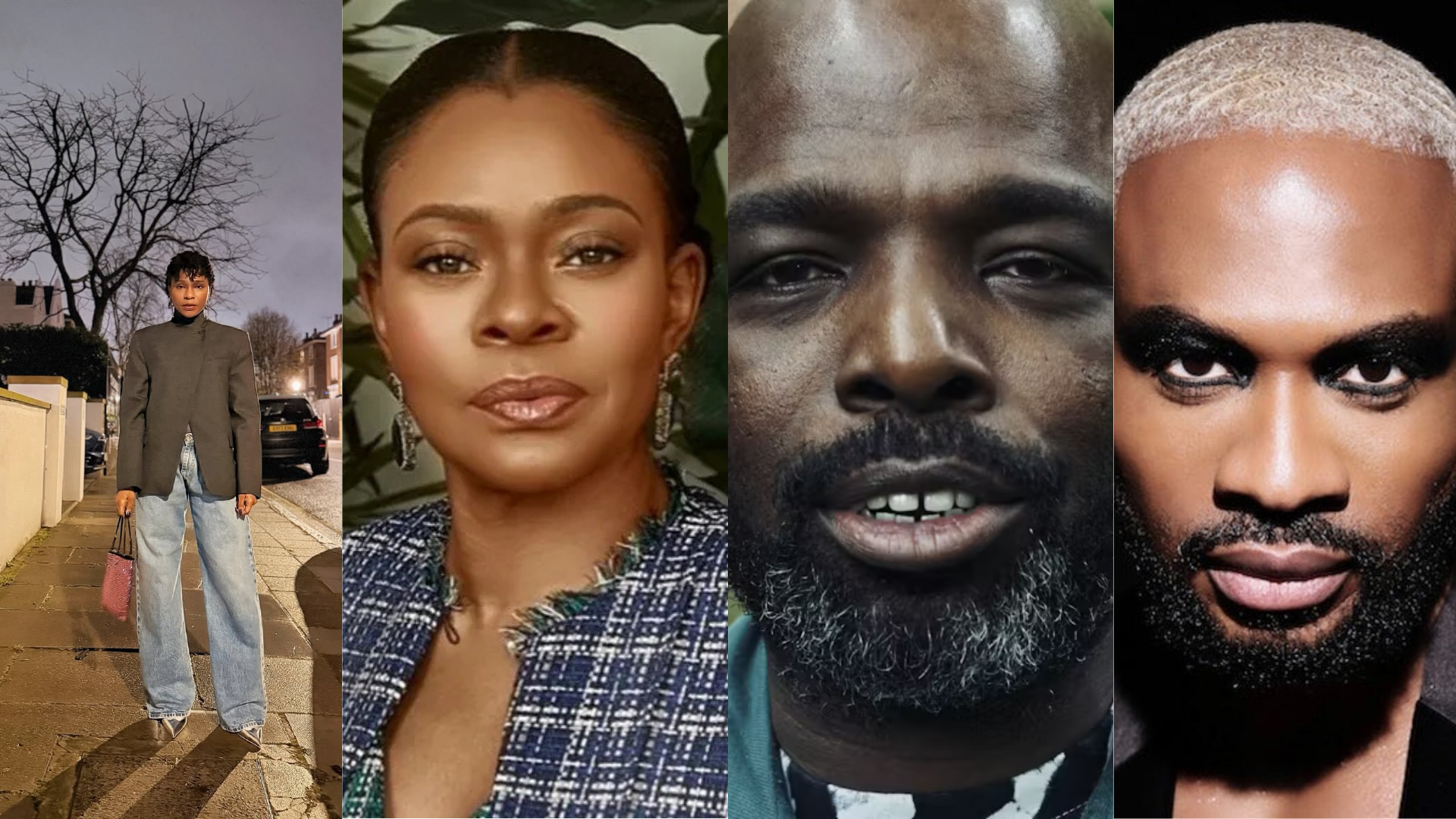
Nigeria’s fashion scene isn’t just growing — it’s exporting taste, technical skill and storytelling. From atelier couture in Lagos to runway-ready collections in London and New York, Nigerian designers are shaping global conversations about print, tailoring, and reimagined heritage. Below are the designers you should know now: established icons who paved the way on the runway and contemporary talents rewriting the rules — both at home and abroad.
1. Lisa Folawiyo — Craft, couture and modern Ankara
Lisa Folawiyo turned Ankara into luxury wearable art with her label (originally Jewel by Lisa) and has built an artisanal signature — intricate hand-embellishment, bold prints and impeccably tailored ready-to-wear that reads both local and global. Her pieces have won international attention and helped reposition West African textiles in the luxury space.
2. Deola Sagoe — The haute couture matriarch
Deola Sagoe’s work has long mixed couture technique with African themes; her name is shorthand for elevated Nigerian fashion. With a career spanning decade, she remains a benchmark for craftsmanship and theatrical runway storytelling that countries and collector’s respect.
3. Duro Olowu — The Nigerian voice in global luxury
Based between London and Lagos, Duro Olowu is one of the most internationally celebrated designers of Nigerian descent. Known for fearless prints, elegant drape and museum-worthy collaborations, Olowu’s collections and curatorial work have helped bridge African aesthetics and Western luxury markets. He’s a reminder that Nigerian design sensibilities travel well when paired with exacting technique.
4. Adebayo Oke-Lawal (Orange Culture) — Rewriting masculinity through style
Orange Culture’s Adebayo Oke-Lawal has built a movement that fuses androgyny, tailoring and expressive menswear. His Lagos-born label has become a cultural voice — challenging narrow ideas of masculinity and putting contemporary Nigerian menswear firmly on the fashion map.
5. Folake Folarin-Coker (Tiffany Amber) — Pan-African elegance
Folake Folarin-Coker’s Tiffany Amber remains a touchstone for Nigerian luxury womenswear — celebrated for tonal sophistication and flattering silhouettes that traveled beyond West Africa into global boutiques and celebrity wardrobes. Her work was foundational to Nigeria’s modern fashion export story.
6. Amaka Osakwe (Maki Oh) — Subtle politics, artisanal narratives
Maki Oh’s label is lyrical: richly textured, often hand-stitched garments that reference history, identity and female narratives. The brand has attracted international editorial acclaim and been worn by high-profile figures — proof that conceptual Nigerian design can carry political and cultural weight globally.
7. Mai Atafo — Red-carpet tailoring and bridal mastery
Mai Atafo is a master tailor whose suits and bridalwear dominate celebrity pages and A-list red carpets across Nigeria and beyond. His technical discipline and focus on bespoke tailoring make him a go-to for clients who want precision and polish.
8. Lanre Da Silva Ajayi — Feminine, luxe and editorial-ready
Lanre Da Silva Ajayi’s aesthetic mixes feminine silhouettes with luxe finishes — a favorite for editorial editorials and events. Her work balances wearable glamour with strong design identity, keeping her in the conversation of leading Nigerian couturiers.
9. Veekee James & Emerging Voices — Lagos’s next wave
Designers like Veekee James (and others included in contemporary “to-watch” lists) are translating street culture, tailoring craft and digital storytelling into fresh brands that appeal to younger buyers. These designers are vital because they move quickly, respond to culture, and scale through e-commerce and social communities.