Nollywood has grown from a high-volume, low-budget machine into an industry that now produces films that can compete at the box office, and sometimes break records. Below is a crisp, senior-writer breakdown of the top box-office performers in Nigerian cinemas, why they mattered, and what their success tells us about the local market today. Top …

The Top Nollywood Films of All Time
Nollywood has grown from a high-volume, low-budget machine into an industry that now produces films that can compete at the box office, and sometimes break records. Below is a crisp, senior-writer breakdown of the top box-office performers in Nigerian cinemas, why they mattered, and what their success tells us about the local market today.
Top box-office movies
- Everybody Loves Jenifa (2024) — ₦1,882,553,548
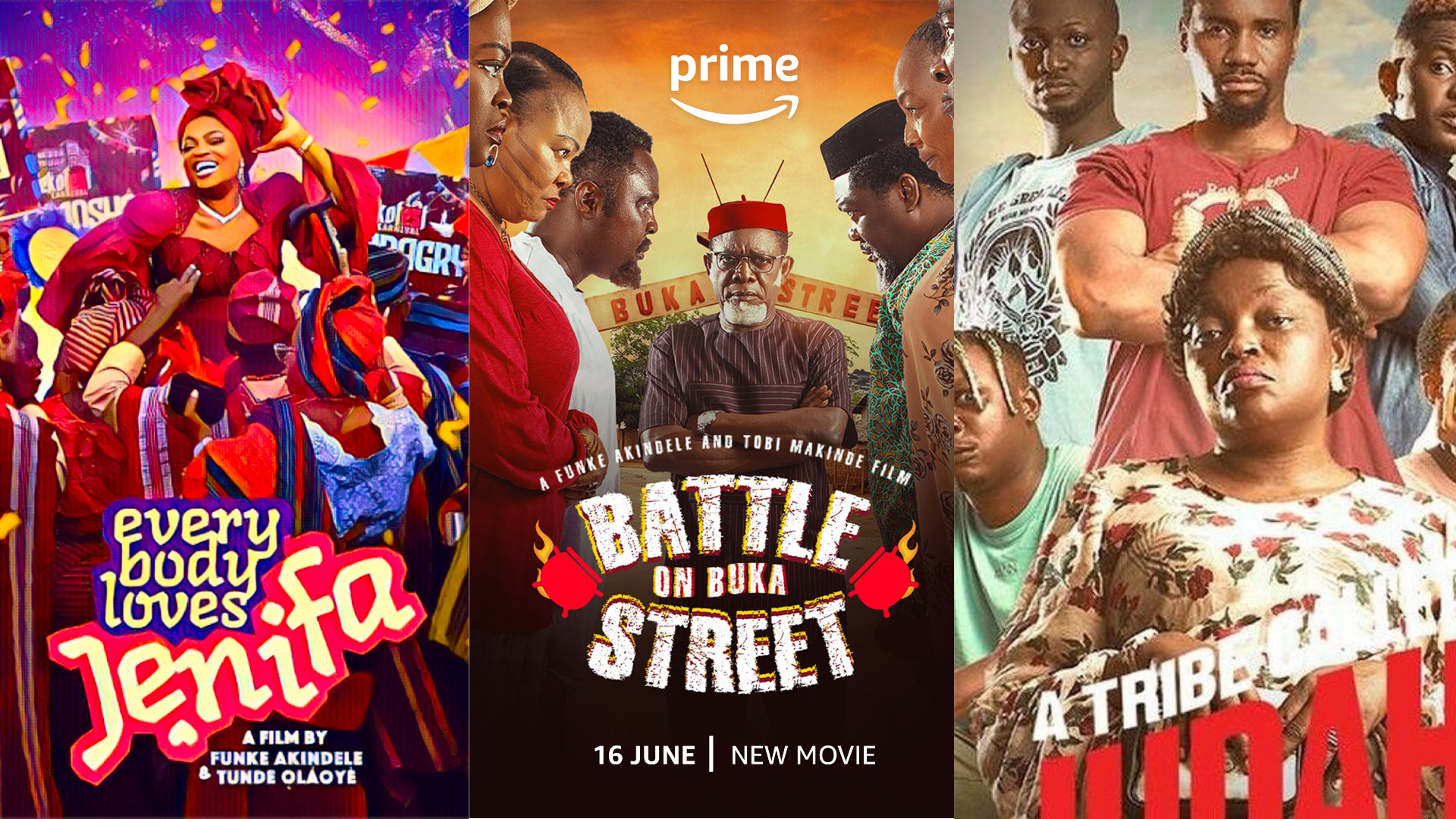
Funke Akindele’s Everybody Loves Jenifa sits atop Nollywood’s box-office mountain. The film’s blend of broad comedy, a built-in franchise audience, and smart release timing pushed it past the ₦1.8 billion mark, making it the highest-grossing Nigerian theatrical release to date. - A Tribe Called Judah (2023) — ₦1.4 billion
Another Funke Akindele production, A Tribe Called Judah, continued the recent trend of franchise-style hits in Nollywood — strong local marketing, recognizable IP, and mass audience appeal helped it cross the billion-naira threshold. - Battle on Buka Street (2022) — ₦668,423,056
A crowd-pleasing family comedy that rode positive word-of-mouth and was timed for heavy holiday attendance, Battle on Buka Street showed how local stories rooted in everyday life can deliver big numbers. - Omo Ghetto: The Saga (2020) — ₦636,129,120
When it released, Omo Ghetto: The Saga rewrote opening-week records and demonstrated the power of franchise familiarity and a holiday release window — it dominated screens and became one of the first modern Nollywood blockbusters. - The Wedding Party (2016) — ₦452,288,605
Kemi Adetiba’s the Wedding Party helped define commercial Nollywood cinema in the late 2010s: high production values, a strong ensemble cast, and aspirational glamour sold urban and diaspora audiences alike. It set the benchmark for later hits. - The Wedding Party 2 (2017) — ₦433,197,337
The sequel capitalized on the first film’s momentum and proved sequels/franchises could be reliably bankable in Nigeria. - Chief Daddy (2018) — ₦387,540,750
Big names and glossy production made Chief Daddy a must-see social event — another example of star power driving ticket sales. - Other notable earners: films such as Christmas in Miami, Gingerrr, Alakada: Bad and Boujee, and a few recent titles have pushed into the high-hundreds of millions, reflecting how the box-office ceiling keeps rising as the market matures.
Box-office success in Nigeria is no longer a one-off; it’s a formula. Filmmakers who combine recognizable IP, higher production values, and savvy release strategies can now reliably compete for big theatrical returns. At the same time, the rise of streaming hits (e.g., Netflix successes) shows another path to scale, but theatrical grosses remain a prestige metric and a key bargaining chip for future financing and distribution deals.