In an ever-involving landscape of Nigerian music, the variety of sounds coming out today is not just a result of contemporary creativity but is also rooted in the legacy left behind by the pioneers in the 1980s and 1990s. In this piece, we will discuss the influence of these legendary artists on the music scene, …

The Renaissance of Music genre: How the Ogs Impacted the New Cats
In an ever-involving landscape of Nigerian music, the variety of sounds coming out today is not just a result of contemporary creativity but is also rooted in the legacy left behind by the pioneers in the 1980s and 1990s.
In this piece, we will discuss the influence of these legendary artists on the music scene, highlighting some of their contributions and the way in which their works continue to echo through today’s songs.
The 1980s and 90s were groundbreaking decades for Nigerian music because this period saw the emergence of different genres, such as highlife, afrobeat, fuji, and juju.
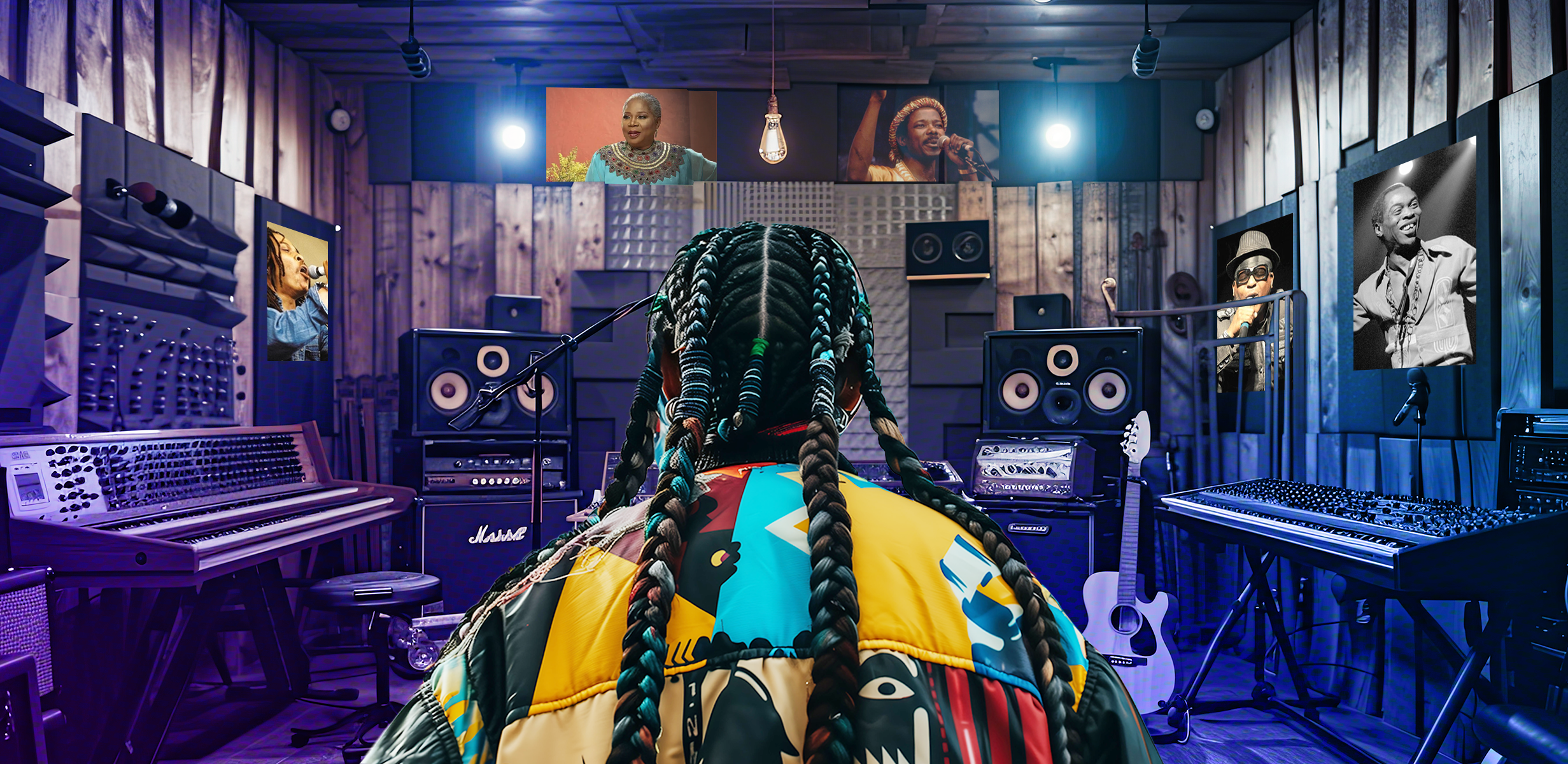
The emergence of these genres has since defined the country’s sound and icons like Fela Kuti, King Sunny Ade, Shina Peters, Majeek Fashek, and Onyeka Onwenu dominated the airwaves back in the day, creating music that resonated with both international and local audiences.
Fela Kuti commonly called the “King of Afrobeat” was not just a musician but a revolutionary figure whose music was a vehicle for both political and local change. He laid the groundwork for Afrobeat with his complex rhythms, jazz-inspired horn section, and hard-hitting lyrics from singles like Water No Get Enemy, Zombie, and Gentleman, creating a genre that continues to inspire the new generation of Afrobeat artists to keep watering it down.
King Sunny Ade, dubbed the “Minister of Enjoyment”, brought juju music to global attention thanks to his mastery of the guitar and incorporation of Western elements into traditional Yoruba music creating a sound that was both authentic and innovative. Songs like Appreciation, Alashe L’Aiye, and Merciful God are all testaments of his innovative work in the Nigerian music scene as the songs are still popularly played at parties and events in Nigeria
Shina Peters introduced Afro juju, a fusion of afrobeat and juju music which quickly became a soundtrack of celebration across Nigeria. He became well-known in the late 1980s and early 1990s for his Afro-juju musical style releasing hit singles like Ijo Shina and afro juju which were part of his successful singles. His energetic performances and catchy rhythms set a new standard for live music.
Onyeka Onwenu, the elegant stallion of the music industry was one of the few female voices to break through in a male-dominated industry. She was able to carve a niche for herself in the industry with her sound which was a blend of highlife, soul, and pop that addressed social issues with songs like “One Love”.
Majek Fasek with his reggae-inspired sound brought a message of hope and unity. His hit “Send Down the Rain” became an anthem and his influence extended beyond Nigeria to the rest of Africa and the rest of the world.
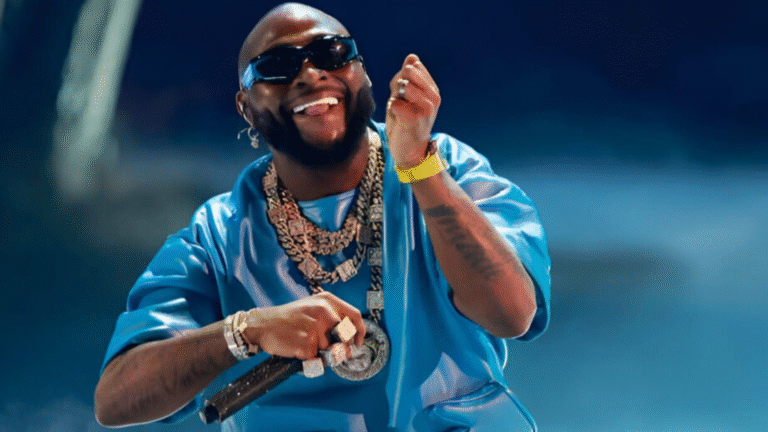
The influence of these OGs is evident in the work of today’s Afrobeat top artists. Artists like Burna Boy, Wizkid, Davido, and Tiwa Savage have not only drawn inspiration from these legends but have also actively sampled and reinterpreted their music, bridging the gap between generations.
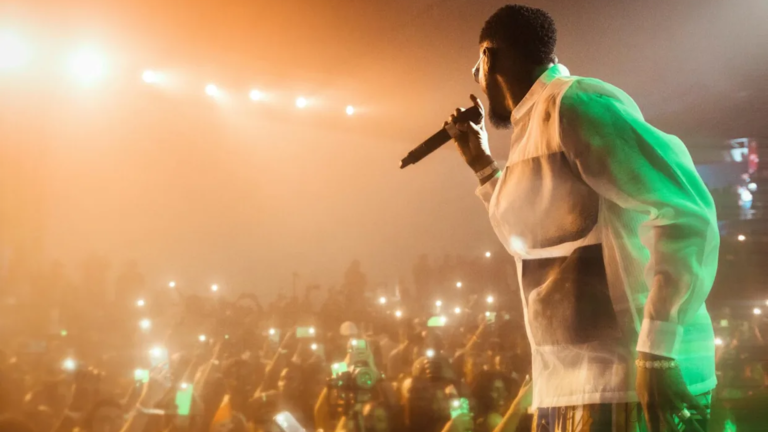
The new cats have not only sampled the work OGS like Fela Kuti but have evolved the sounds blending them with contemporary genres like hip hop and R&B to create a truly global sound. This new wave of music is characterized by its cross-cultural appeal, as Nigerian artists collaborate with international stars, and songs like Wizkid and Justin Bieber on Essence, Rema, Selena Gomez on Calm Down, Burna Boy featuring Ed Sheeran on For My Hand, and Davido featuring Chris brown on Blow My Mind, etc, are just a few of the sounds bringing Afrobeat to a wider audience.
It is safe to say that the Ogs paved the way for the success of Afrobeats and what we are listening to today.