Rap music has grown hugely since its beginnings in the late 1970s, evolving from underground party sounds to a globally dominant genre that shapes culture, fashion, and language. Each generation has added its distinct influence, crafting subgenres that reflect societal shifts, new technologies, and creative innovation. This article examines the evolution of rap, from classic …

The Evolution of Rap Music
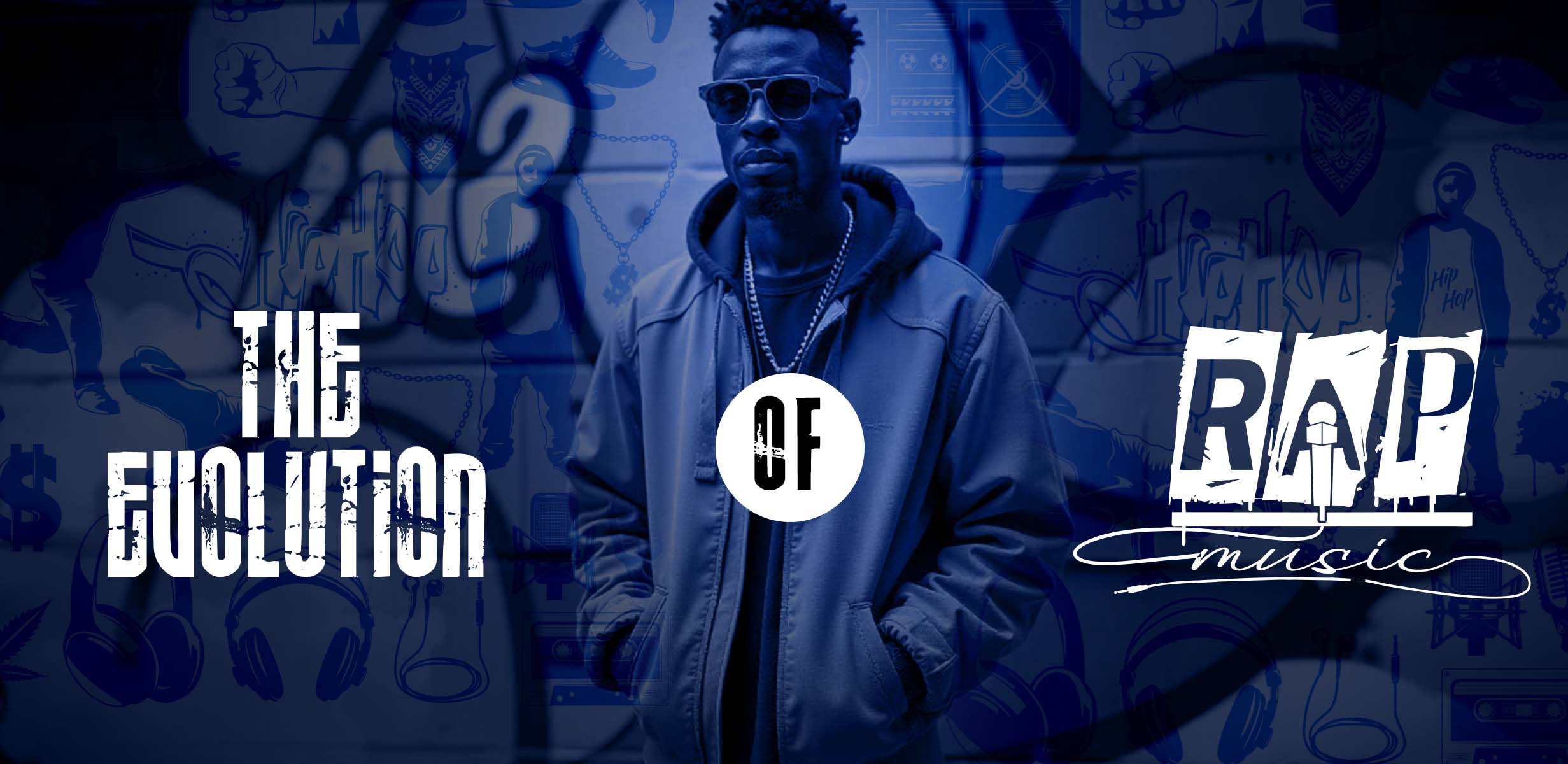
Rap music has grown hugely since its beginnings in the late 1970s, evolving from underground party sounds to a globally dominant genre that shapes culture, fashion, and language. Each generation has added its distinct influence, crafting subgenres that reflect societal shifts, new technologies, and creative innovation.
This article examines the evolution of rap, from classic rap to trap, and highlights the artists who spearheaded these transitions from each generation.
The birth of rap music emerged as the cornerstone of hip-hop culture in the Bronx, New York. In the late 1970s, DJ Kool Herc, who is seen as the pioneer of rap music, began experimenting with turntables, scratching records, and isolating instrumental breaks from funk and disco records, creating a unique beat ideal for MCs to rap over. This era was characterized by energetic party music and community-driven themes that reflected the struggles and aspirations of marginalized youth.
Often called the “Golden Age,” the late ’80s and early ’90s saw rap change in sound and theme. Key players of that era were Run-D.M.C, N.W.A, A Tribe Called Quest, etc. This era introduced complex lyricism, intricate rhymes, and socially conscious themes. Artists began addressing issues like poverty, systemic racism, and police brutality, using rap as a platform for activism. This period also saw the growth of regional styles, with the rise of West Coast rap, primarily through gangsta rap.
As rap entered the ’90s, gangsta rap became dominant, especially on the West Coast all thanks to 2pac, Dr Dre, Snoop Dogg, and even ex N.W.A member Ice cube. This subgenre offered a raw portrayal of life in America’s urban centers, with gritty narratives about violence, poverty, and survival. G-Funk, pioneered by Dr. Dre, brought in a smoother, funk-influenced sound that retained a sense of grit while appealing to a broader audience. Talking about records like Nuthin’ but a ‘G’ Thang by Dr. Dre, California Love by 2Pac, and Gin and Juice by Snoop Dogg.
The mid-to-late ’90s saw a resurgence of East Coast rap, largely driven by artists who emphasized lyrical prowess, and complex wordplay artists like the renowned rap group Wu-Tang Clan played a huge role in that aspect with their record C.R.E.A.M. This era fostered a fierce rivalry between East and West Coast rappers, ultimately culminating in the tragic deaths of Tupac Shakur and The Notorious B.I.G. During this time, rappers like Nas and Jay-Z set new standards for storytelling, painting vivid pictures of life in the streets with poetic finesse.
The early 2000s marked the “Bling Era,” where flashy lifestyles, wealth, and success became a thing in rap music. With the rise of Southern rap styles, artists like Lil Wayne, 50 Cent, OutKast, and Ludacris embraced club-friendly beats and catchy hooks that cemented rap’s place in mainstream pop culture. This era also saw the emergence of “crunk” and “snap” music in the South, characterized by high-energy beats and a party-driven sound.
The late 2000s and early 2010s saw a shift toward introspective and socially aware lyrics, influenced by global events and a desire for authenticity. Artists explored deeper issues like mental health, racial inequality, and personal struggles. This era also opened up experimental sounds that combined genres, thanks to artists like Kanye West, who blended electronic, rock, and soul into his music, and Kendrick Lamar, whose lyrical depth inspired a new generation.
By the mid-2010s, trap music became the dominant sound of rap, originating from the Southern hip-hop scenes of Atlanta from the likes of Gucci mane, The Migos and much later the rise of young thug, future and Travis Scott. Defined by heavy 808s, fast hi-hats, and ominous beats, trap music spoke to both the struggles and indulgences of modern life singles like Mask Off by Future, Bad and Boujee by Migos, and Goosebumps by Travis Scott topped the charts and gave trap lovers a reason to love rap music. The genre exploded into mainstream popularity through artists who combined catchy hooks, and dark beats.
As it moves into the future, rap music’s flexibility and resilience ensure it will continue to innovate and inspire, with each generation leaving a mark on the genre’s ever-expanding legacy.