Not every party or occasion calls for a pro mixologist; sometimes, all you need is a few good spirits, the right mixers, and a little confidence behind the bar. Mixology 101 is your guide to crafting impressive cocktails without the fuss. Essential Mixology Tools: Before diving into mixing drinks, having the right tools is crucial. Here are …

Mixology 101: A Beginner’s Guide
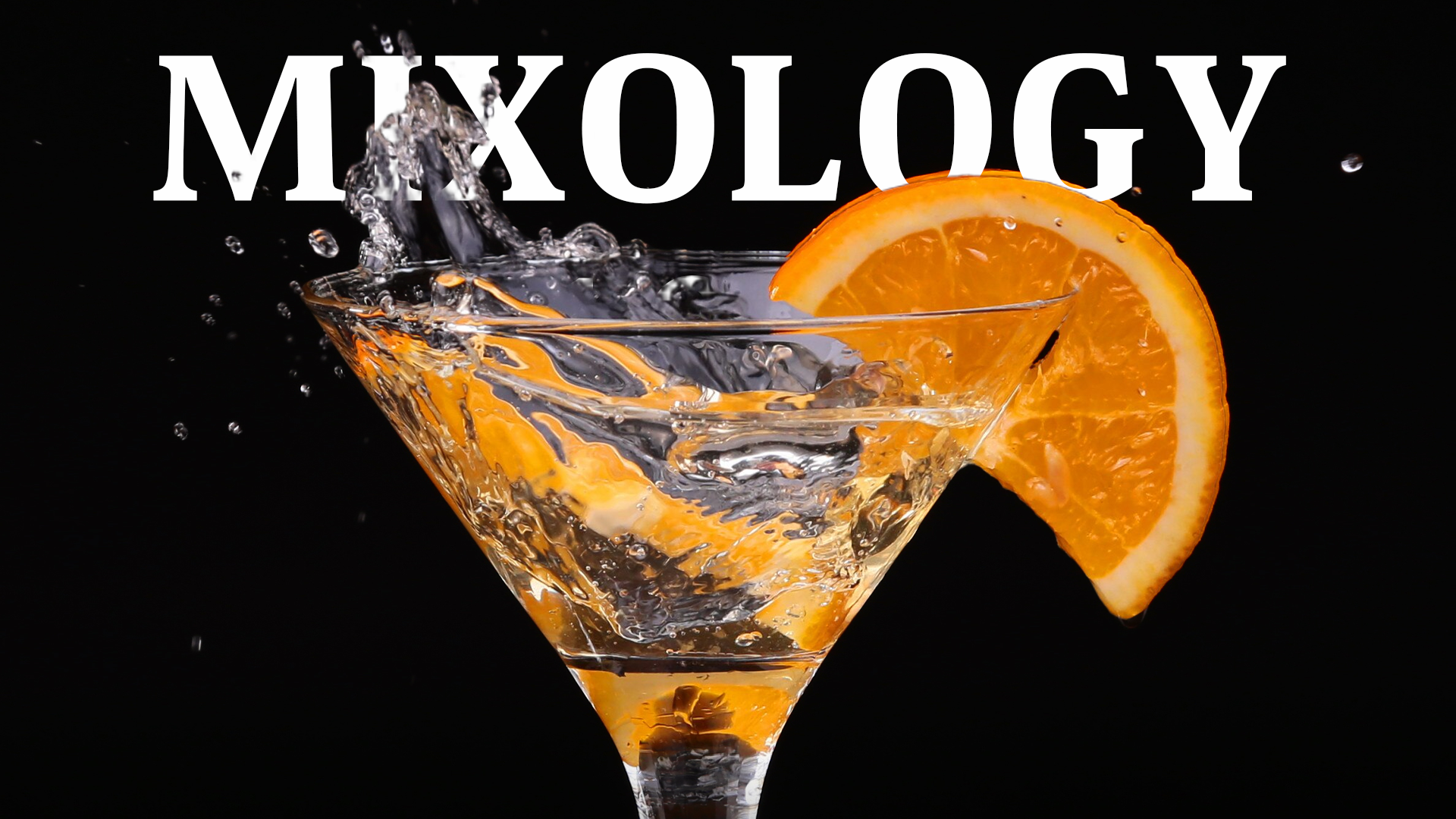
Not every party or occasion calls for a pro mixologist; sometimes, all you need is a few good spirits, the right mixers, and a little confidence behind the bar. Mixology 101 is your guide to crafting impressive cocktails without the fuss.
Essential Mixology Tools: Before diving into mixing drinks, having the right tools is crucial. Here are some must-have items for any mixologist:
Shaker – Used to mix ingredients thoroughly and chill the drink. The two main types are the Boston shaker and Cobbler shaker.
Jigger – A measuring tool that ensures accurate spirit and ingredient portions.
Muddler – Used to crush herbs, fruits, and sugar to release flavors.
Strainer – Helps separate solid ingredients (ice, fruit, herbs) from the liquid when pouring.
Bar Spoon – A long-handled spoon used for stirring and layering drinks.
Citrus Juicer – Fresh juice makes all the difference in cocktails, and a hand juicer ensures the best flavor.
Mastering a few fundamental techniques will help you craft cocktails with professional finesse:
1. Shaking – Used for drinks with fruit juice, dairy, or syrups. Shake in a cocktail shaker with ice for proper aeration and chilling.
2. Stirring – Used for spirit-heavy cocktails like an Old Fashioned or Martini to gently mix ingredients without diluting them too much.
3. Muddling – Pressing ingredients like mint, basil, or fruit to release essential oils and flavors.
4. Layering – Pouring ingredients carefully to create a multi-layered drink with distinct flavors.
5. Straining – Ensures a smooth drink by removing ice or fruit pulp after shaking or stirring.
To make a variety of cocktails, keep these essential ingredients on hand:
● Base Spirits – Vodka, gin, rum, tequila, whiskey, and brandy form the foundation of most cocktails.
● Mixers – Tonic water, soda, fresh juices, ginger beer, and cola enhance and complement the spirits.
● Liqueurs – These add depth and sweetness to drinks. Examples include triple sec, amaretto, vermouth, and coffee liqueur.
● Bitters – Concentrated flavor extracts (like Angostura bitters) that balance sweetness and enhance complexity.
● Garnishes – Citrus slices, herbs, olives, and cocktail cherries enhance presentation and add aroma.
Here are a few timeless cocktails to practice your mixology skills:
● Margarita – Tequila, lime juice, and triple sec, served with a salted rim.
● Old Fashioned – Bourbon or rye whiskey, sugar, bitters, and an orange twist.
● Mojito – White rum, mint, lime juice, sugar, and soda water.
● Martini – Gin and vermouth, garnished with an olive or lemon twist.
● Daiquiri – Rum, lime juice, and simple syrup, shaken and served straight up.
Final Tips for Aspiring Mixologists
● Always use fresh ingredients for the best flavor.
● Measure accurately to maintain balance in your drinks.
● Experiment with new ingredients and techniques to develop your unique style.
● Presentation matters—use proper glassware and garnishes for an appealing cocktail.
● Most importantly, enjoy the process and drink responsibly.
Master these basics, and you’ll be crafting top-tier cocktails in no time.